Strengthening creative industries partnerships through international mobility
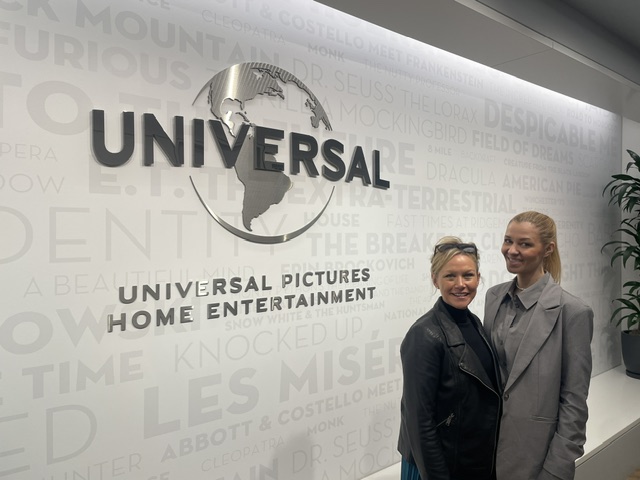
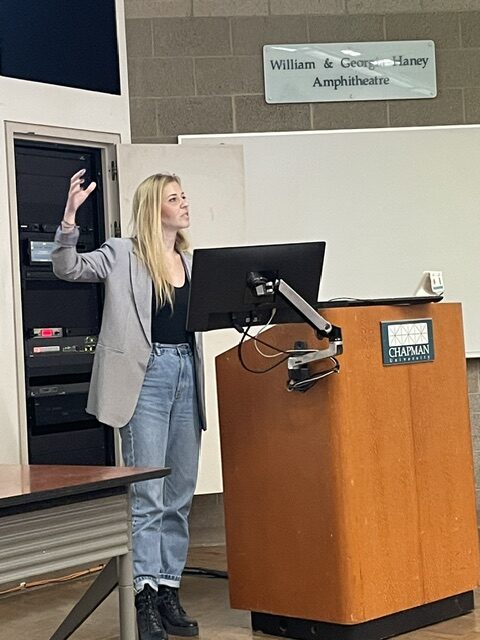
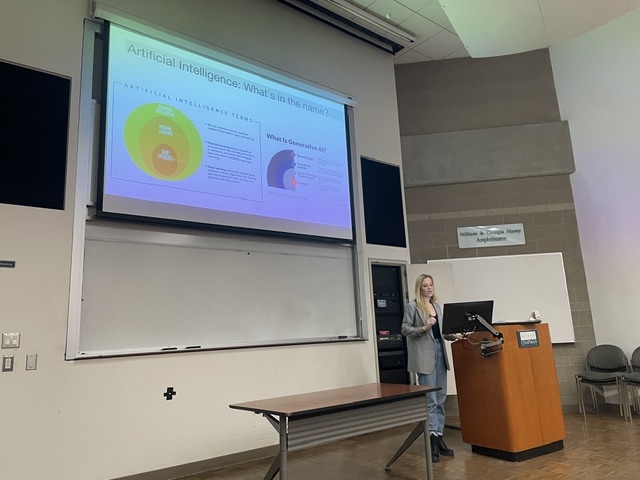
In April 2025, Marlen Komorowski and Sara Pepper from the School of Journalism, Media and Culture at Cardiff University undertook a Taith-funded mobility visit to Chapman University, California. The visit aimed to strengthen international partnerships, support professional development, and gain insight into higher education practice in the United States.
Through teaching, research and networking activities, they exchanged ideas on curriculum development, industry engagement and institutional priorities, while exploring opportunities for future collaboration.
Why did you apply to take part in this Taith-funded mobility opportunity?
Marlen:
I applied because the visit offered an opportunity to strengthen an emerging partnership between Cardiff University and Chapman University around creative and cultural industries. Chapman was an ideal partner, as its Center for Creative and Cultural Industries shares many of Cardiff’s interests in creative economy development, cultural policy and industry engagement.
I hoped to deepen collaboration, exchange ideas with staff and students, and identify opportunities for future research, teaching and student mobility. These expectations were fully realised, particularly through discussions around future student exchanges, joint teaching activities and collaborative research projects.
What did you learn from the experience and how will it influence your work?
Sara:
The visit gave me a deeper understanding of how cultural policy operates in the United States and how changing government priorities influence both cultural and higher education policy. I also learned more about Chapman’s approach to student placements, industry engagement and employment pathways, and how these support graduate outcomes.
The experience has strengthened my understanding of how different political, educational and cultural contexts shape policy development and implementation, helping to inform future discussions around best practice and innovation.
Marlen:
The visit provided new perspectives on how creative industries education can be connected to industry networks, student career development and regional creative economy policy. I was particularly inspired by the use of real-world case studies and discussions around portfolio careers.
As a result, I plan to incorporate more international examples into my teaching, introduce additional comparative UK-US perspectives, and strengthen links between classroom learning and industry opportunities.
How has the mobility strengthened international collaboration?
Marlen:
The visit helped move the relationship between Cardiff University and Chapman University from informal collaboration towards a more structured partnership. Discussions are now underway around future student exchanges, joint teaching initiatives, collaborative research projects and shared publications.
The experience demonstrated the value of face-to-face engagement in turning shared interests into practical and sustainable opportunities.
Sara:
This collaboration has already led to an invitation to contribute a book to an edited collection that Chapman is curating for publication. This represents not only a valuable publishing opportunity, but also a strong endorsement of the quality and distinctiveness of the work being undertaken in Cardiff and Wales. The invitation reflects a recognition of our expertise in the field and provides an important platform to showcase Welsh research and perspectives to an international audience, further strengthening the partnership and creating opportunities for future collaboration.
How has the experience enhanced your intercultural awareness and global outlook?
Sara:
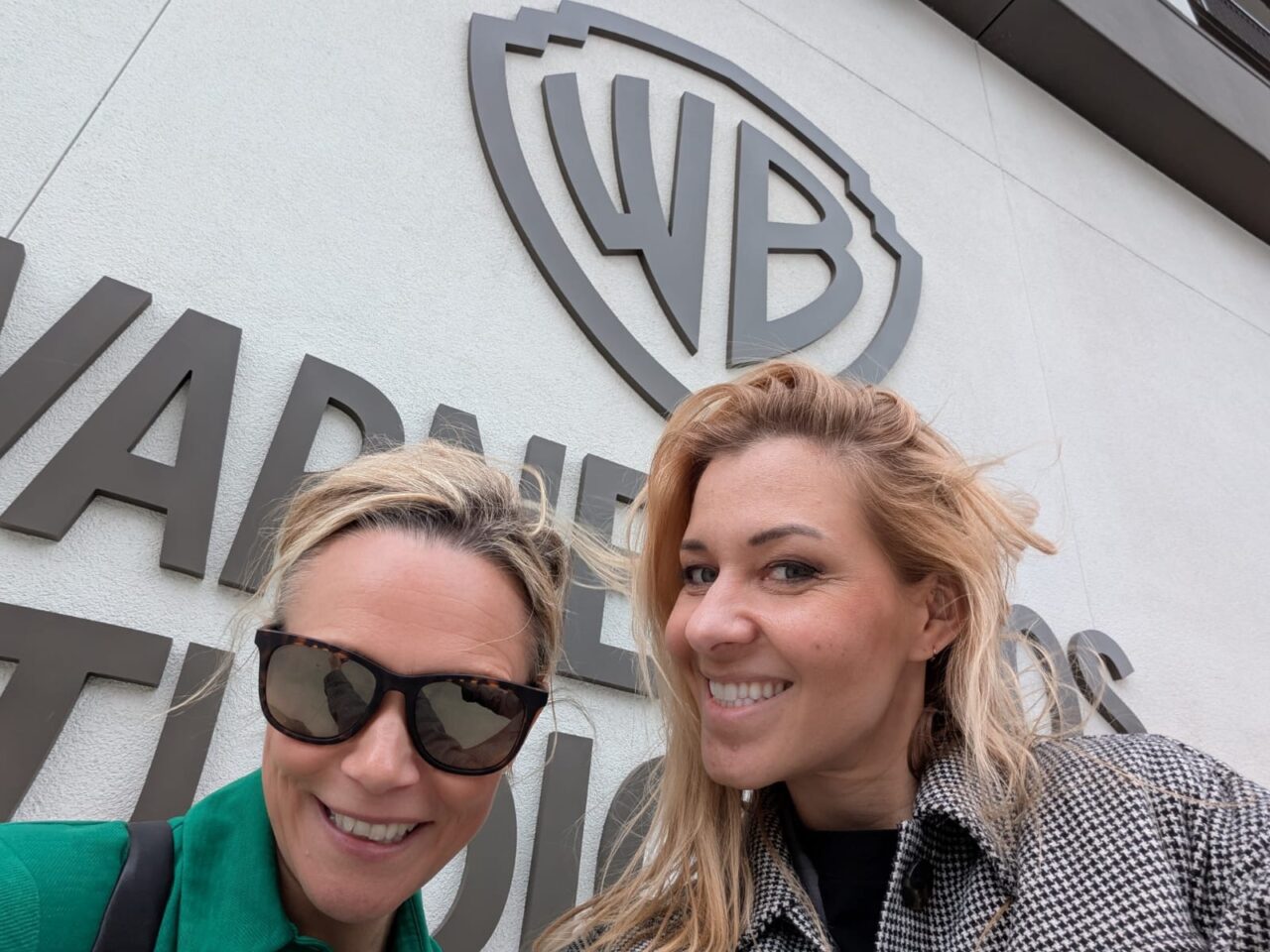
The visit provided opportunities to engage with university colleagues, students and industry partners involved in our global research project, including representatives from major media organisations such as Disney, Warner Bros. and NBCUniversal.
These conversations provided valuable insights into innovation and future industry developments while strengthening relationships that will support future collaboration. A particular highlight was the opportunity to raise the profile of Wales internationally and showcase its strengths in media, film and television and positioning Welsh expertise within discussions with globally influential organisations.
What was the most significant thing you learned from the experience?
Marlen:
The most significant lesson was the value of in-person international engagement in turning shared interests into concrete plans for research, teaching and student mobility. I was also struck by the strong interest in Wales and Cardiff’s creative economy as an example of how smaller nations and regions can develop distinctive creative industry ecosystems.
What lasting impact will this Taith-funded opportunity have?
Marlen:
The placement has created a strong foundation for long-term collaboration between Cardiff University and Chapman University. It has strengthened my international research and teaching profile, opened up new opportunities for students, and established pathways for future mobility and partnership activities.
Sara:
Following the visit, we shared our learning through presentations and discussions with colleagues across the Centre for the Creative Economy, key stakeholders and the Media Cymru Programme Board. These conversations helped identify opportunities for future collaboration and knowledge exchange.
One of the most valuable lessons from the experience was the importance of spending dedicated time with colleagues at all levels of a partner institution. Formal and informal interactions provided a deeper understanding of institutional culture, priorities and ways of working, reinforcing the importance of investing in relationships to build meaningful and sustainable international partnerships.