Urban Circle empowering young people through culture, identity and intercultural learning
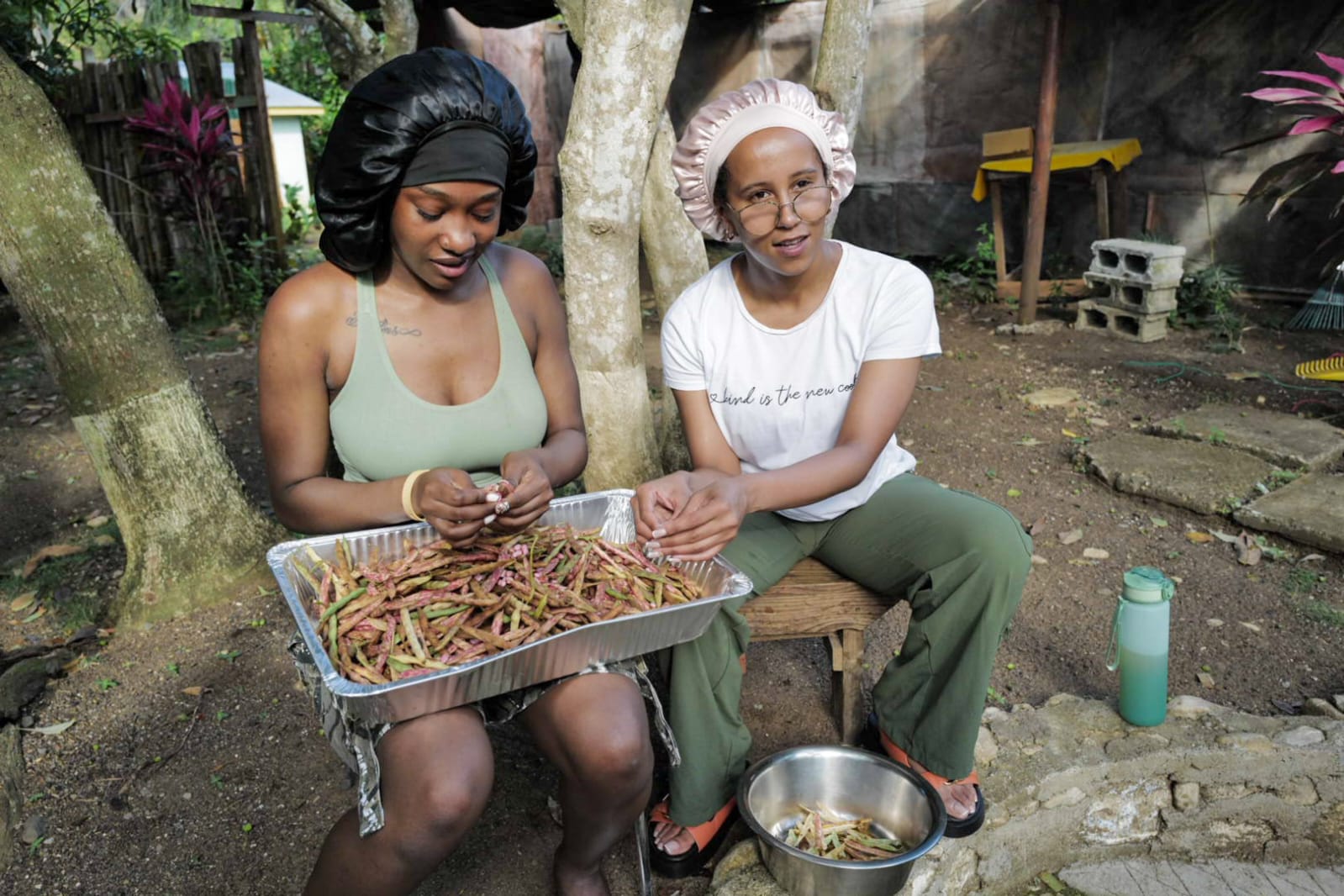
In April 2026, Urban Circle Newport took a group of young people on a life-changing mobility to Jamaica to enable young leader-creatives from Wales, with diverse backgrounds, to engage in intercultural learning within primary schools and specialist heritage/performance organisations in Jamaica. A young participant tells us more about their experience:
What kinds of activities did you take part in during the project?
During our trip we took part in an immersive diaspora cultural training course led by Dr Dawn Lemonius. This training was vital in understanding the context of the trip, as well as the historical and cultural identity of Jamaica. I especially enjoyed learning about the spiritual and religious aspects of the island.
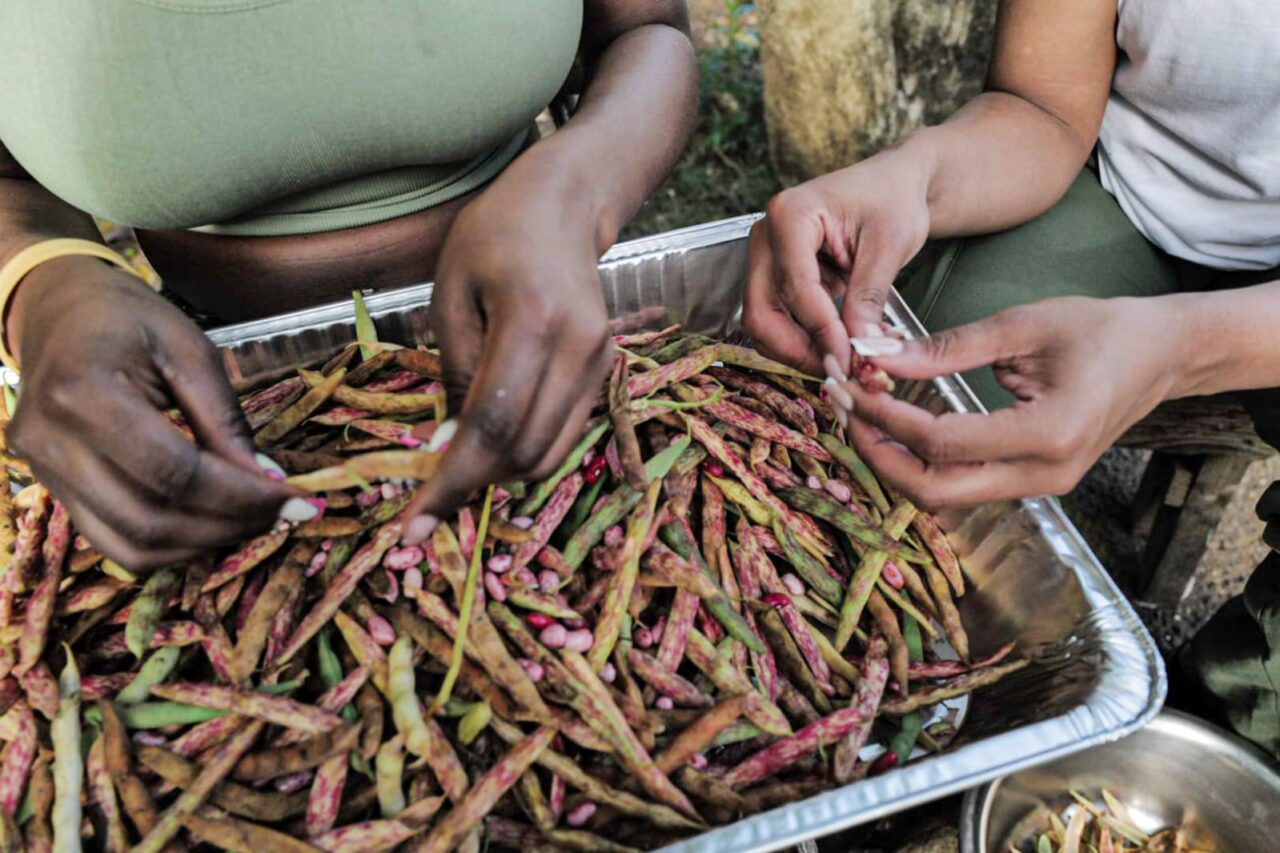
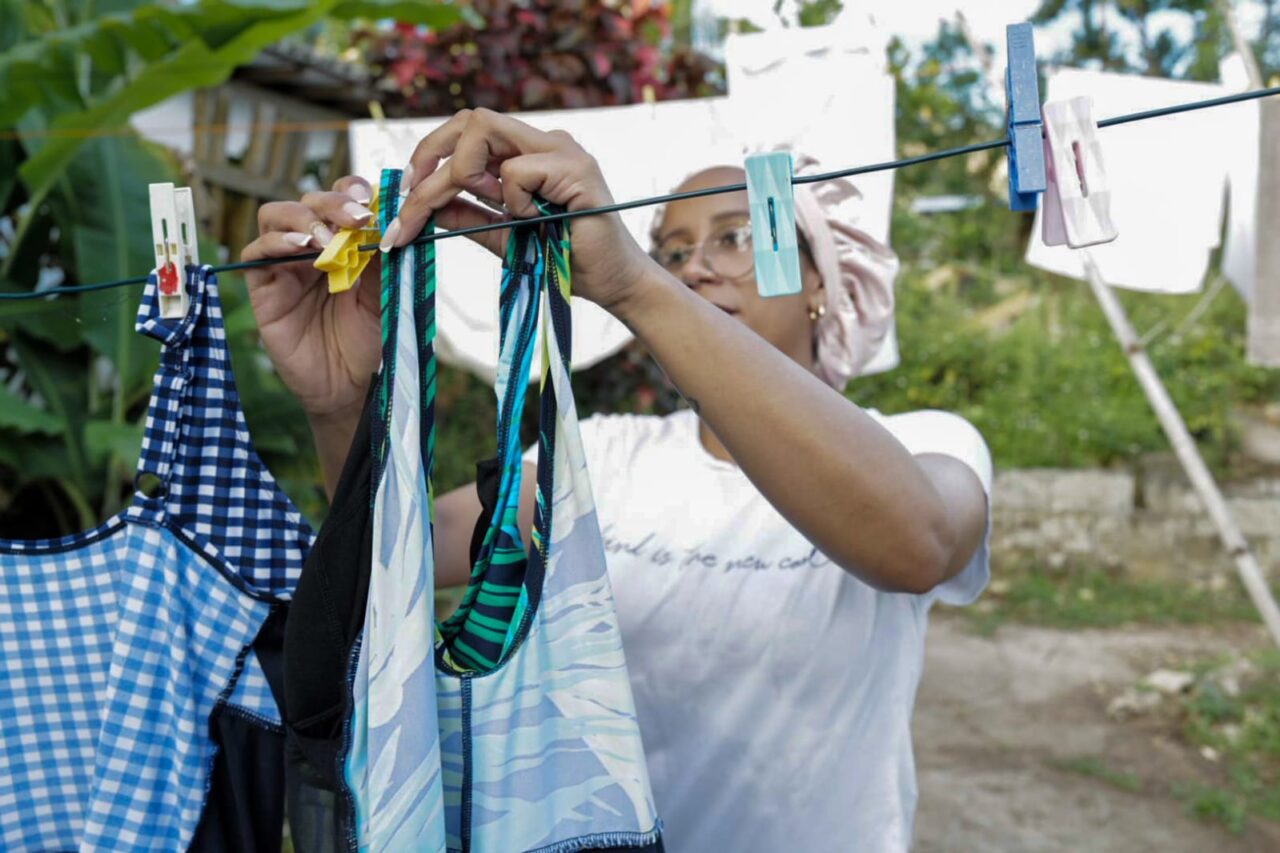
We also took part in daily chores at the Rastafari indigenous village, such as washing our clothes by hand. Although this wasn’t specifically scheduled, it allowed us to learn sustainable methods and felt grounding. I was shown the fruit trees and able to try freshly grown produce, which really showed me the value of nature in sustaining life and health.
We visited the Montego Bay Cultural Centre. My favourite was the Rastafari exhibition, which gave me a strong understanding of its revolutionary history and practices.
We also travelled to Kingston and visited the Bob Marley Museum, touring his home and studio. This was deeply moving. The most profound experience, however, was attending the Rastafari celebration of Grounation Day, marking Emperor Haile Selassie’s visit to Jamaica. Our trip coincided with the 60th anniversary. I listen to Mutabaruka regularly and seeing him speak and perform was incredible. I also heard from a man who had met Haile Selassie 60 years prior, an experience I will carry with me for life.
Can you describe a moment that really stood out to you?
At the Rastafari village, we would gather informally around the campfire at night. These moments gave us space to connect, reflect, and sit with elders to learn about life and ourselves. It felt healing in many ways.
Coming from a country where our heritage has been heavily influenced by Western ideas, experiencing cultural and spiritual practices that our ancestors have carried for generations felt rejuvenating and hopeful.
One question we were asked was: “What is life?” This felt completely unfamiliar – I had never been asked that in my 24 years. In that moment, surrounded by nature and people who looked like me but had different life experiences, we found a shared understanding of our humanity. It changed how I see life, my connection to nature, and my relationship with others.
Did the project change how you view your own identity or background?
This trip completely shifted how I view my identity. I remember discussing with another young person how it felt to be surrounded by people who look like us. In the UK, so much of our identity is shaped by race and background, whereas here I felt like a human being first. Seeing people with the same skin colour as me across all areas of life made me feel that, for once, I could be judged by my character alone. As someone said, “I’m no longer the Black kid on the bus, I’m just another person on the bus.”
Learning about my history also gave me perspective on my family’s journey. Hearing about the Moors and their resistance against the British brought healing, especially after being taught a history focused mainly on slavery. It showed me the strength and resilience of my ancestors.
During the cultural course, Jamaican people were described as “not taking foolishness,” which resonated with me. It helped me see that my directness and passion for challenging injustice are strengths passed down through generations, not just responses to oppression.
In the UK, Jamaican culture is often reduced to stereotypes, but in Jamaica I experienced a deep spirituality, a connection to Africa, and a reverence for nature and ancestors. This experience broke down my understanding of my identity and rebuilt it through lived experience.
What new skills or confidence have you gained?
The most important skill I developed was mental stability. I was introduced to Rastafari indigenous therapy, which was life changing. As someone who has struggled with mental health, I am used to Western therapy models, but sitting with an elder, reflecting, and being guided felt deeply affirming.
I learned the importance of mental stability and continued conversations I had previously started with elders when they visited Wales. This learning extended beyond personal development into community work. I learned that Rastafari approaches emphasise that we are all connected, not just nuclear families, but communities as a whole, including nature and animals. It reinforced that no one is alone.
I also gained confidence in sharing my poetry. While I’ve performed in the UK before, I’ve often struggled with nerves and imposter syndrome. During a creative session in Montego Bay, I gave an unplanned performance and invited others to share encouragement for young people in the diaspora. I felt a new level of confidence and vulnerability.
After reflecting, I realised this came from feeling seen, understood, and accepted during my time in Jamaica. People saw my character rather than my colour, and the qualities I’m often criticised for – challenging systems, speaking out, and expressing anger – were encouraged. This sense of belonging allowed me to be my authentic self.
What are you most proud of from this experience?
I am most proud of myself for fully embracing an experience that was more challenging than anything I had done before. I had never travelled outside the UK, and as someone who struggles with routine, sensory issues, and anxiety, I didn’t think it would be possible.
Trying new foods and activities would usually cause anxiety, but the support I received helped me thrive. The staff at Urban Circle Newport supported me throughout the journey, explaining each step and making the process manageable.
I never thought I would be able to travel to Jamaica due to the distance and financial barriers. This experience has opened doors I didn’t think were possible. I’d often been told that travelling would help my mental health and worldview, but it used to feel out of reach. Now, my perspective of both the world and myself has completely shifted, and I am proud that I took this opportunity.