The EmpowHER Story: How a Taith mobility helped inspire a new model of support for women in Wales
My journey was definitely not straightforward. I was excluded from school at 14, became involved in crime, addiction and exploitation, and spent around 20 years in and out of the criminal justice system before my final prison sentence in 2018.
What changed things for me wasn’t somebody suddenly saying something magical that nobody had ever said before. My environment changed. It was also the beginning of understanding myself differently. I had been living with ADHD and autism all my life without knowing it. I accessed women-centred support and joined the St Giles Peer Advisor Programme. For the first time, my lived experience became something that could help other people. I trained as a peer mentor for St Giles and started to see my future differently.
Alongside my frontline work, I was studying forensic psychology and developing a strong interest in trauma, rehabilitation and recovery. When the opportunity came up to visit Norway through Taith, I jumped at the chance as I wanted to learn how other countries were supporting people facing similar challenges. Norway was my first time abroad in a professional capacity. If somebody had told me years earlier that I’d be travelling internationally as part of my work, I wouldn’t have believed them.
The thing that stood out most in Norway was the environment. One of the organisations we visited was A-larm in Trondheim, a substance-use support service. It didn’t feel like an institution, it felt like a beautiful home. There wasn’t that traditional feeling of walking into an office with a desk between you and the person supporting you. It felt like community. Everything felt calm, welcoming and human.
As someone who now understands how trauma and neurodivergence affect the nervous system, I noticed something important: I felt regulated. That experience made me think differently about the spaces where support takes place. If people don’t feel safe, it is much harder for them to learn, reflect, trust others or engage with services.
It changed how I saw myself. For years, my identity had been shaped by addiction, offending and prison. Suddenly I was travelling internationally as a professional, representing an organisation and sharing ideas with people from another country.
The experience reinforced that my lived experience wasn’t something that limited me. It was part of my expertise. It gave me confidence I didn’t have before. I started applying for opportunities I previously thought weren’t for people like me. Since that visit, I’ve had three books published, spoken in the House of Lords and the Senedd, and contributed to discussions at a national level. The trip also expanded my network and gave me confidence to reach out to people, ask questions and seek support. Norway was my first big opportunity, and everything grew from there.
The biggest lesson was that environment is not an extra. It is part of the intervention. I came back thinking much more deeply about what safety feels like for someone accessing support. Sometimes we focus on programmes and policies, but the environment itself can determine whether somebody feels able to engage.
The visit strengthened my belief that support services don’t always need to look like traditional services. Community, comfort and belonging matter. Something else that stood out was the connection to nature and movement. Supporting wellbeing wasn’t always about sitting in a room and talking. Movement, outdoor spaces and connection with the body were seen as important parts of recovery and wellbeing. That learning stayed with me.
EmpowHER came from many different parts of my life: my lived experience, years of frontline work, studying forensic psychology, understanding my own neurodivergence and the women I’d supported over the years. The experience in Norway gave me confidence in my own ideas and strengthened my belief that support could look different.
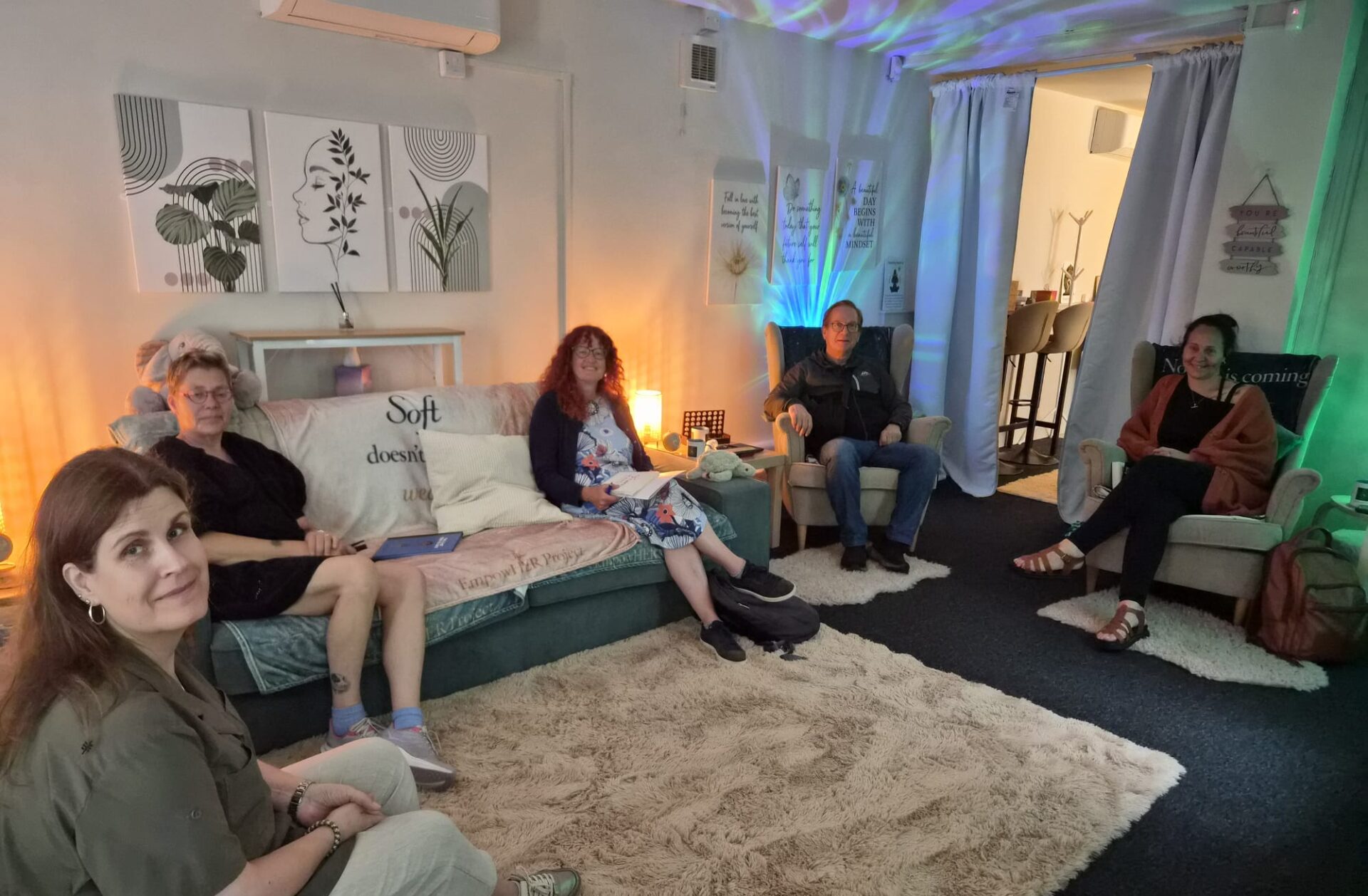
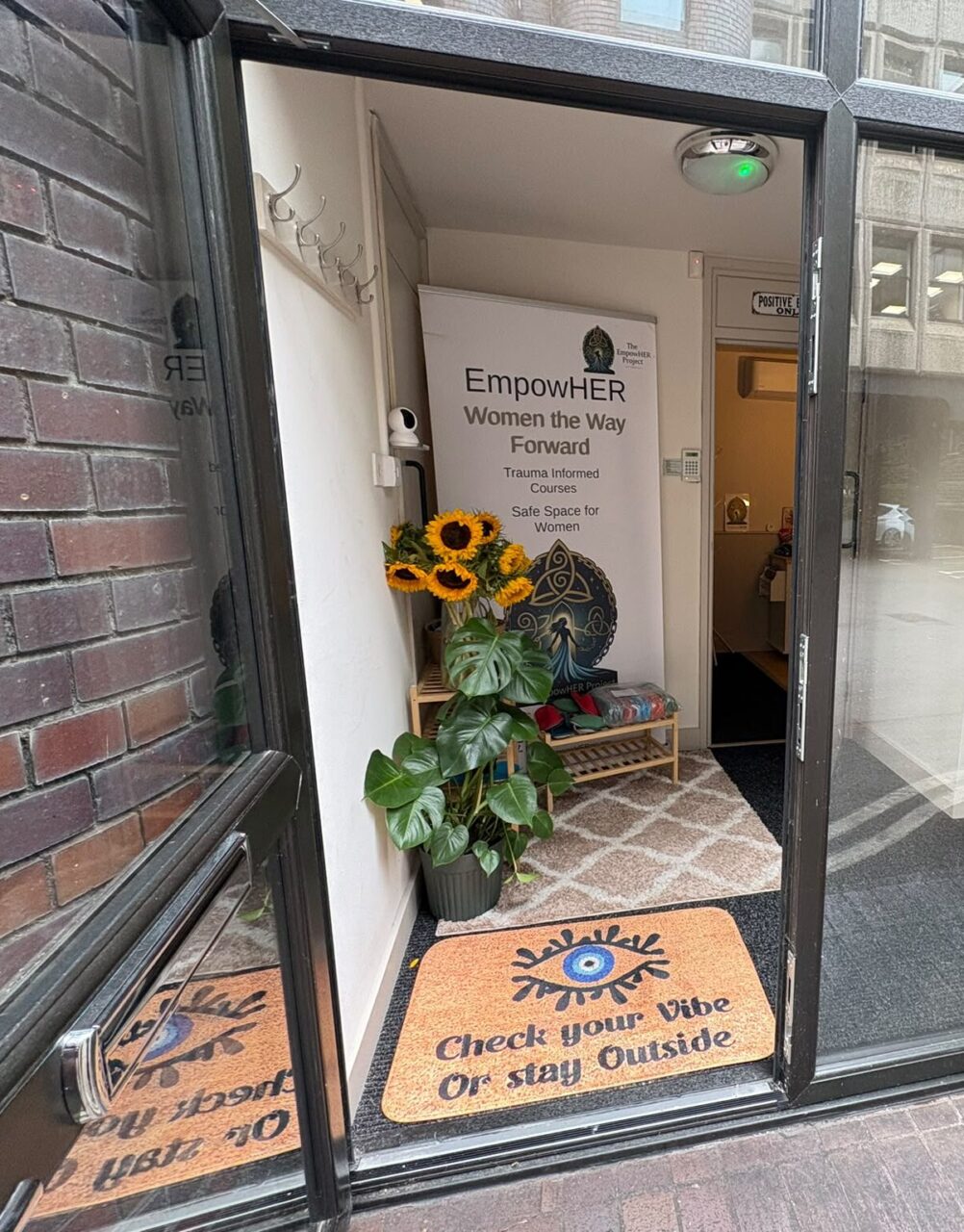
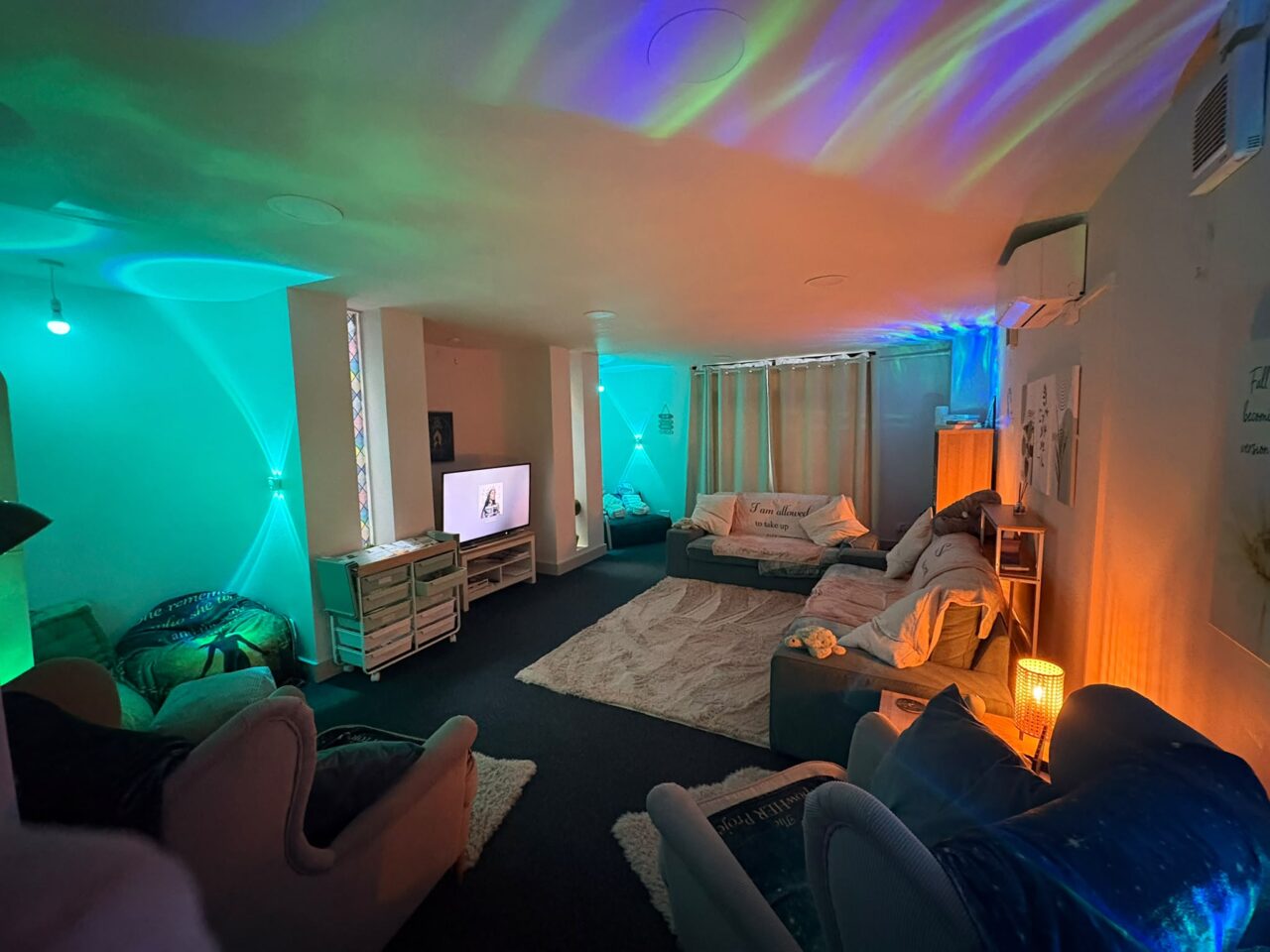
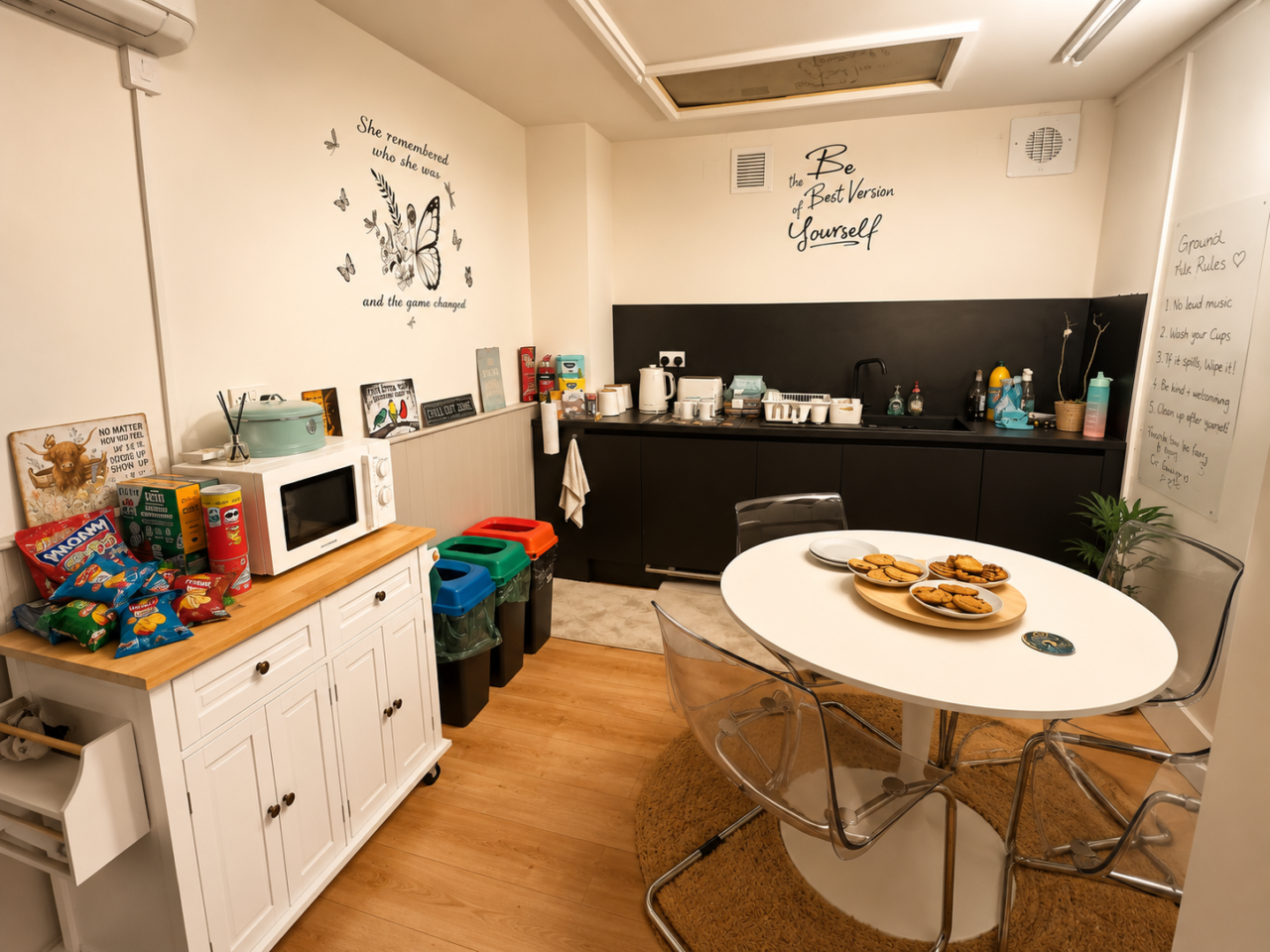
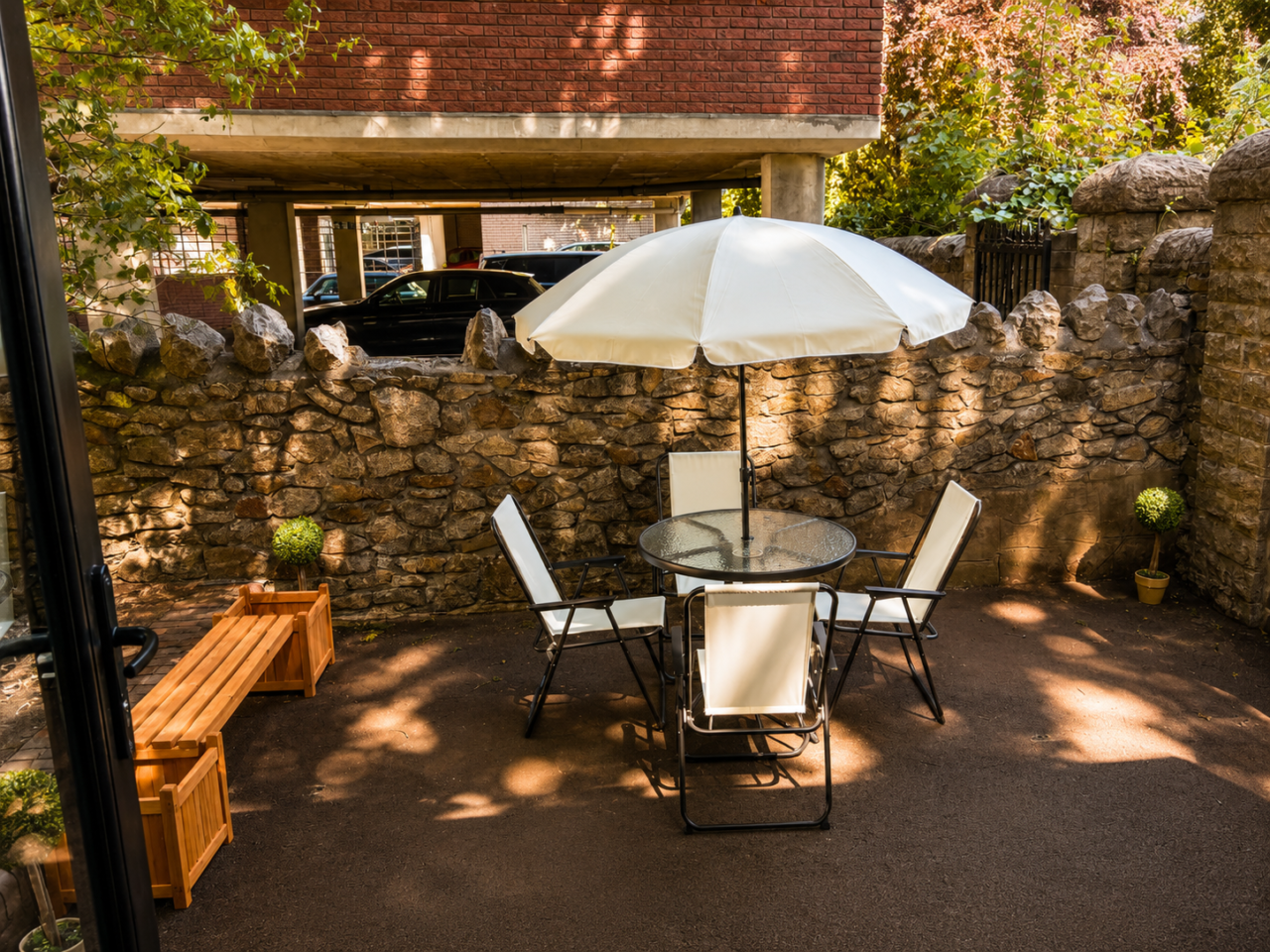
Today, EmpowHER is a women-only, trauma-informed and neuro-affirming sensory space in Cardiff. Women can make themselves a drink, curl up in a chair, sit on the floor, move around, or use the space in whatever way helps them feel comfortable. Everything from the lighting and layout to the sensory environment reflects the belief that people engage best when they feel safe. I wanted to create somewhere that felt like community rather than an institution.
Definitely, it absolutely influenced how EmpowHER feels. The most obvious example is probably the no-shoes policy and the basket of socks. That sounds like such a tiny detail, but I remembered it, and it represents something much bigger. It’s about helping people feel comfortable, reducing barriers and creating a sense of belonging from the moment they walk through the door.
Later, when colleagues from Norway visited Cardiff, I was able to show them the space we’d created. I could literally point to things and say, “That came from you.” That felt like a real full-circle moment.
What we’re seeing is women developing confidence, self-awareness and a better understanding of themselves by helping them build their own regulation toolkit. Many are becoming more able to recognise triggers, set boundaries, build healthier relationships and move into volunteering, training or employment.
One of the biggest indicators for me is engagement. When I ran my pilots in more traditional settings, it could take three weeks before women started opening up. In the environment we’ve created, that’s often happening within the first week. In our most recent cohort of eight women, one participant has moved into employment, two are now training to become teaching assistants and three are volunteering. We also work alongside organisations such as Cyfle Cymru to help create pathways into further support, training and employment. Ultimately, our goal isn’t to tell women where they should go. It’s to help them identify their own goals and give them the tools and confidence to achieve them.
The visit to Norway strengthened my belief that services could feel different. It gave me practical ideas, fresh perspectives and confidence in my own thinking. Some of the things women experience when they walk through the doors of EmpowHER today can be traced directly back to what I learned in Trondheim. It also changed what I believed was possible for myself. The confidence I gained through that experience opened doors I never thought I’d walk through.
International opportunities shouldn’t just be for people who have followed a traditional route. I left school at 14 and spent years believing opportunities like this belonged to other people. Norway was my first time abroad in a professional capacity, and it completely changed what I thought was possible. If opportunities like Taith were only available to people in formal education, EmpowHER wouldn’t exist as it does today.
Learning doesn’t only happen in classrooms. It happens through people, places, experiences and conversations. An idea travelled home with me from Trondheim and became part of something new in Cardiff. That’s the power of international learning. I’m already thinking about future exchanges because every new experience has the potential to bring back ideas that could benefit the women we support.