Building global healthcare connections through a Taith international exchange
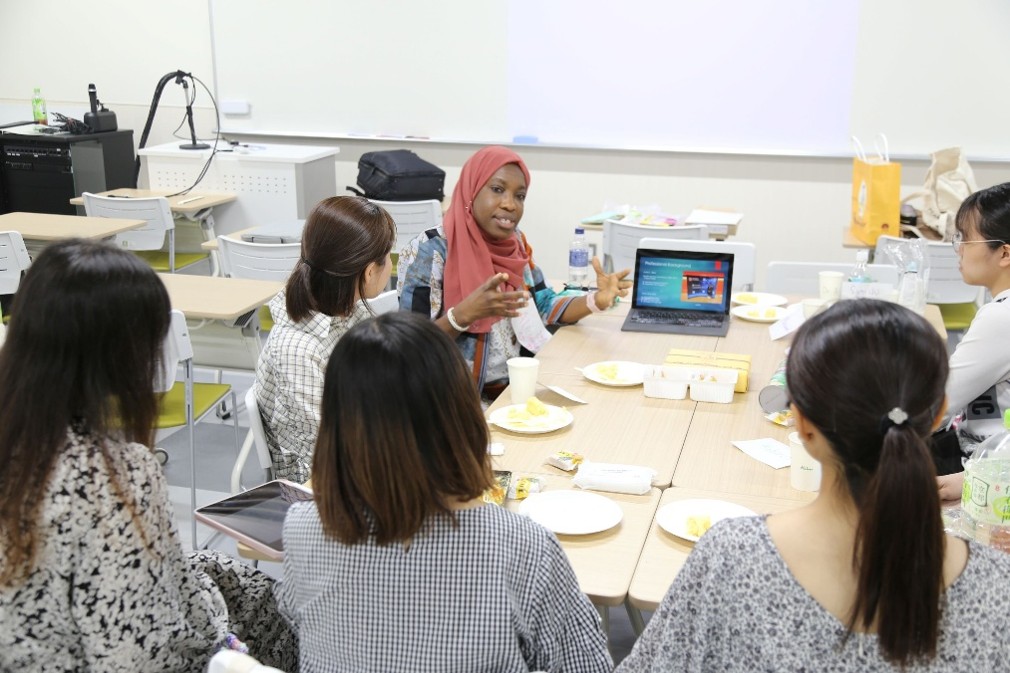
In May 2026, Dr Taofeekat Ali, a GP Registrar and Global Health Volunteer with HEIW, travelled to Japan through a Global Health Experience programme, gaining first-hand insight into healthcare delivery across a variety of clinical settings. Her placement spanned a university hospital, rural community clinics, outpatient services, occupational health facilities and an urban family medicine practice. Together, these experiences provided a unique perspective on Japanese primary care and the role of healthcare within local communities. Dr Ali reflects on the professional, cultural and personal impact of her time in Japan.
Tell us about your Taith experience.
I had the incredible opportunity to spend two months in Japan as part of a global health placement, working across a variety of healthcare settings in Fukushima, Fukuoka and other regions. During this time, I was able to observe primary care in both rural and urban communities, learn about Japanese healthcare systems, and immerse myself in everyday life and culture.
Although Japan and Wales (and the wider UK) differ in healthcare financing, organisation, and culture, both face similar challenges associated with ageing populations, workforce pressures, and the need for sustainable healthcare delivery. The experience allowed me to gain a deeper understanding of how healthcare is delivered in a different country while also building friendships and connections that I will treasure for years to come.
What were some of the highlights of your placement?
One of the most memorable aspects of the placement was the opportunity to experience healthcare across a wide range of settings. I spent time in a tertiary hospital, rural community clinics, outpatient-focused services and an urban family medicine practice. Seeing these different approaches gave me a unique perspective on Japanese primary care and how services adapt to meet local community needs.
Outside the clinical setting, I was able to explore Japan’s rich cultural heritage, visiting historic sites, temples, castles, museums and natural landmarks. Living alongside local people, sharing meals, travelling together and learning about daily life gave me a genuine insight into Japanese culture.
What did you learn professionally?
Every clinical encounter became an opportunity for mutual learning. I was keen to understand how Japan’s healthcare system is structured, funded and accessed, while my hosts were equally interested in learning about healthcare in Wales.
Through conversations with healthcare professionals, patients and community members, I gained a broader perspective on family medicine and the role culture, environment and community play in health and wellbeing. These exchanges reinforced the importance of curiosity, collaboration and understanding when working in healthcare.
One particularly memorable moment came while observing children at play in a nursery school in Iwaki City. Watching their independence, problem-solving skills and interaction with nature offered a powerful reminder of the role early environments and human connections play in shaping health and development.
How did the experience help you develop personally?
Living and working in a completely different cultural environment challenged me to adapt, communicate and navigate unfamiliar situations. From sharing meals with local families to travelling across the country and experiencing different social customs, I developed greater confidence and cultural awareness.
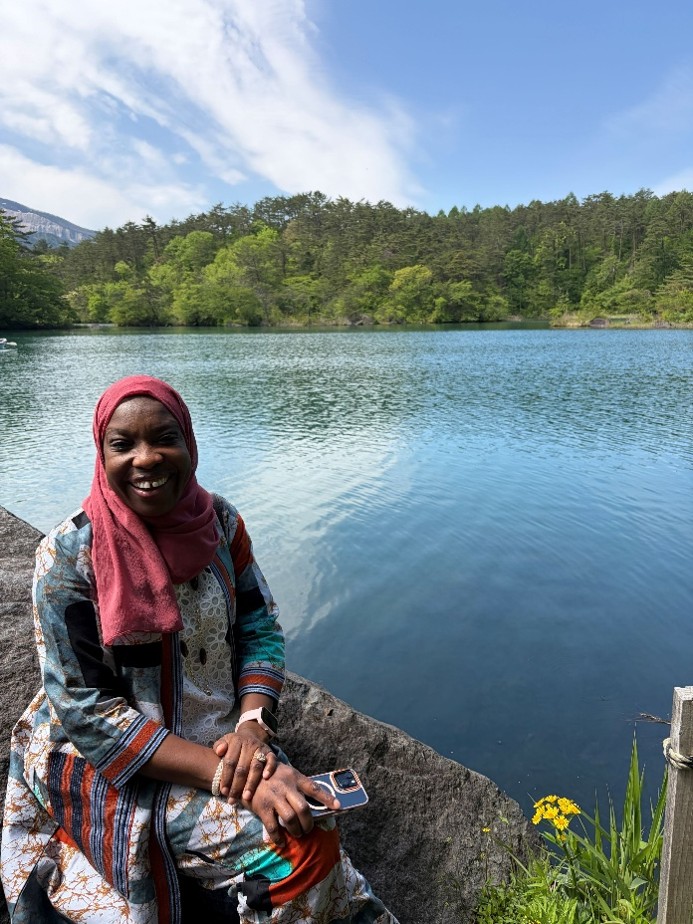
The experience also encouraged me to reflect on similarities between Wales and Japan. Travelling through Japan’s green landscapes and rolling hills often reminded me of the Welsh valleys, creating unexpected connections between our two nations despite the geographical distance.
By the end of the placement, I felt I had grown significantly both personally and professionally, becoming more adaptable, open-minded and confident.
Did you have opportunities to share your own experiences and knowledge?
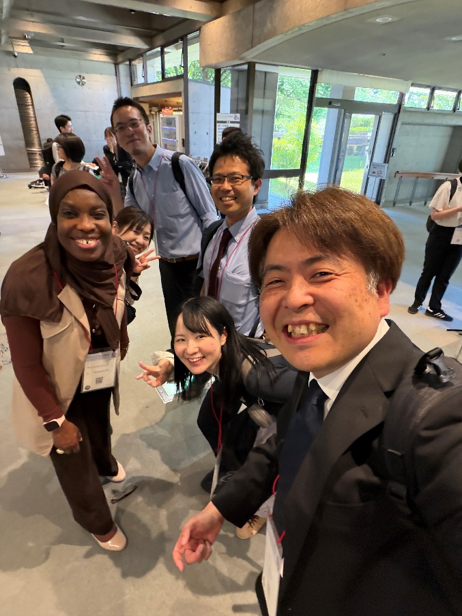
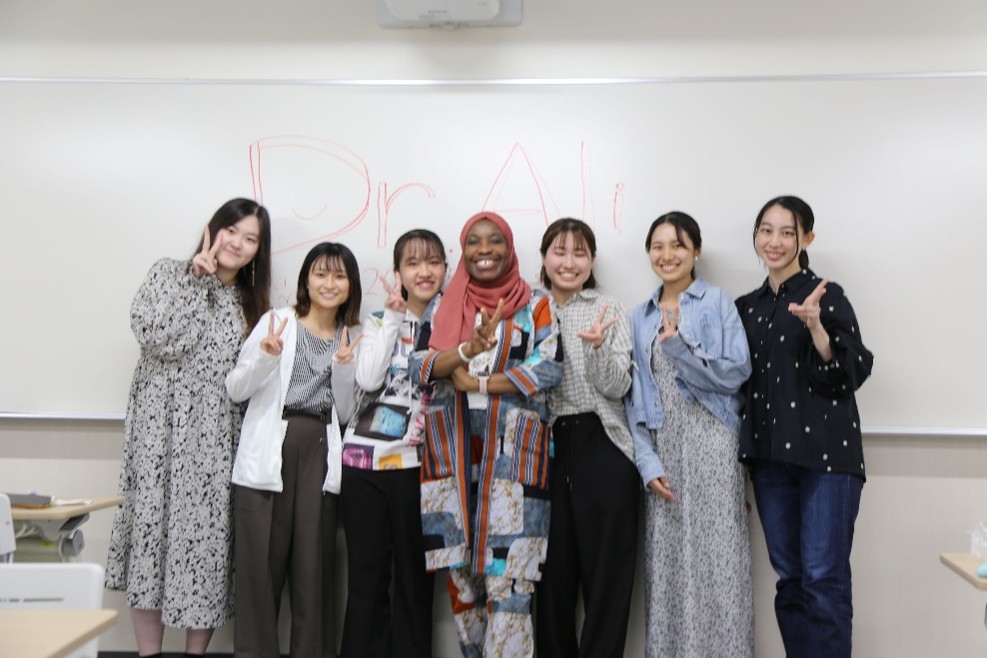
Yes. One particularly rewarding experience was taking part in a weekend event for female Japanese medical students who were interested in family medicine training.
As a female GP trainee, I was able to share my own experiences, discuss common concerns about pursuing a career in family medicine and help challenge misconceptions about the specialty. It was inspiring to meet the next generation of healthcare professionals and encouraging to see their enthusiasm and ambition.
Knowing that I was able to offer reassurance and motivation to these students was one of the most meaningful moments of the placement.
What impact did cultural exchange have on the experience?
Cultural exchange was at the heart of the experience. While I learned a great deal about Japanese culture, traditions and perspectives, I was equally grateful to be able to share aspects of Welsh culture and life.
One of my hosts later wrote to thank me for the conversations we had about geography, food, religion and everyday life in Wales, explaining that they had shared what they learned with their family around the dinner table. Moments like these highlighted how international exchanges create understanding, challenge assumptions and build lasting connections between people and communities.
What lasting impact has Taith had on you?
This experience has had a profound impact on both my personal and professional development. It strengthened my understanding of the importance of cultural awareness in healthcare, broadened my perspective on primary care practice and gave me the confidence to work effectively in unfamiliar environments.
Most importantly, it demonstrated the value of international learning experiences in building understanding and tolerance across cultures. In an increasingly connected world, programmes like Taith create meaningful opportunities for people to learn from one another and build relationships that transcend borders.
other_stories_intro