Learning from women’s skills programmes in Bengal to enrich family learning in Wales
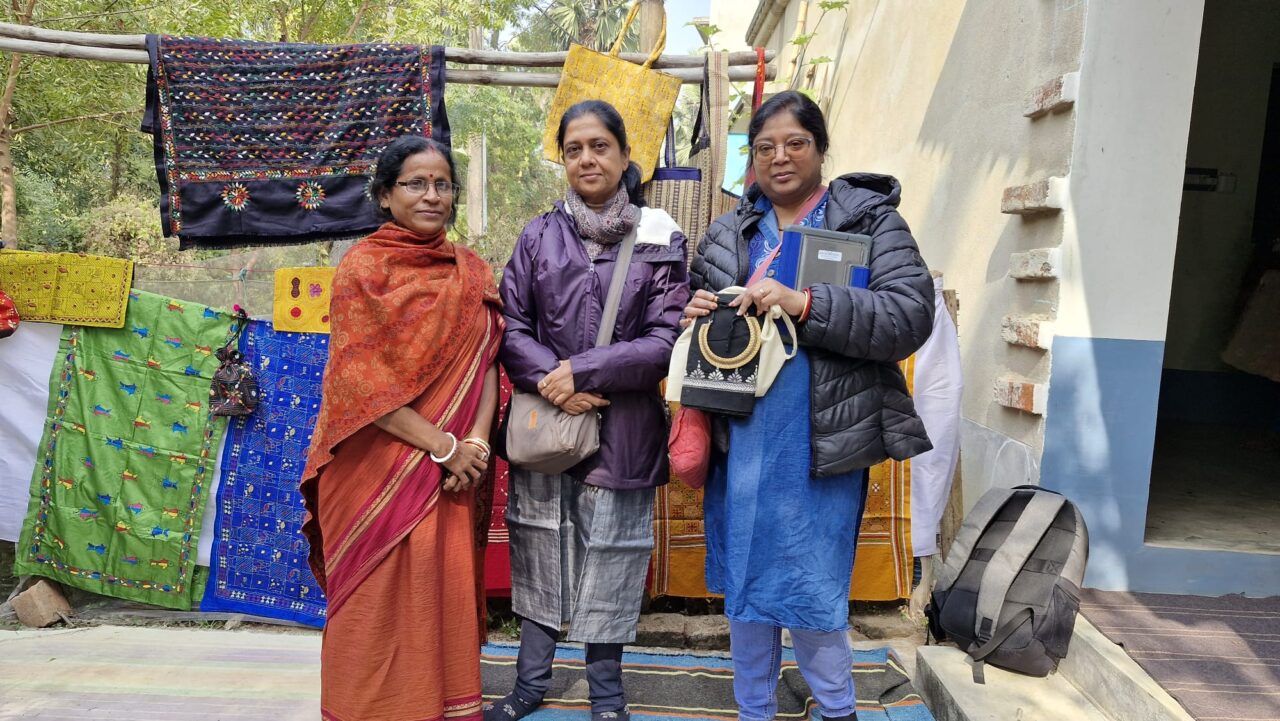
Through Taith Pathway 1 funding, Christina Roy BEM, Family Learning Coordinator at Cathays High School Parent Learning Group, travelled to India to explore community-based adult learning, family engagement and skills development. Working with the Institute of Rural Reconstruction at Visva-Bharati University and Sarada Mission, the visit focused on understanding how creative and vocational skills can empower women, strengthen families and support lifelong learning.
The project enabled new creative practices and cultural learning to be brought back to Wales, directly benefiting adult learners, particularly those from ethnic minority communities. The knowledge gained informed creative workshops, ESOL learning and cultural engagement activities, helping learners reconnect with their heritage while developing confidence, skills and qualifications.
Christina tells us more about the experience:
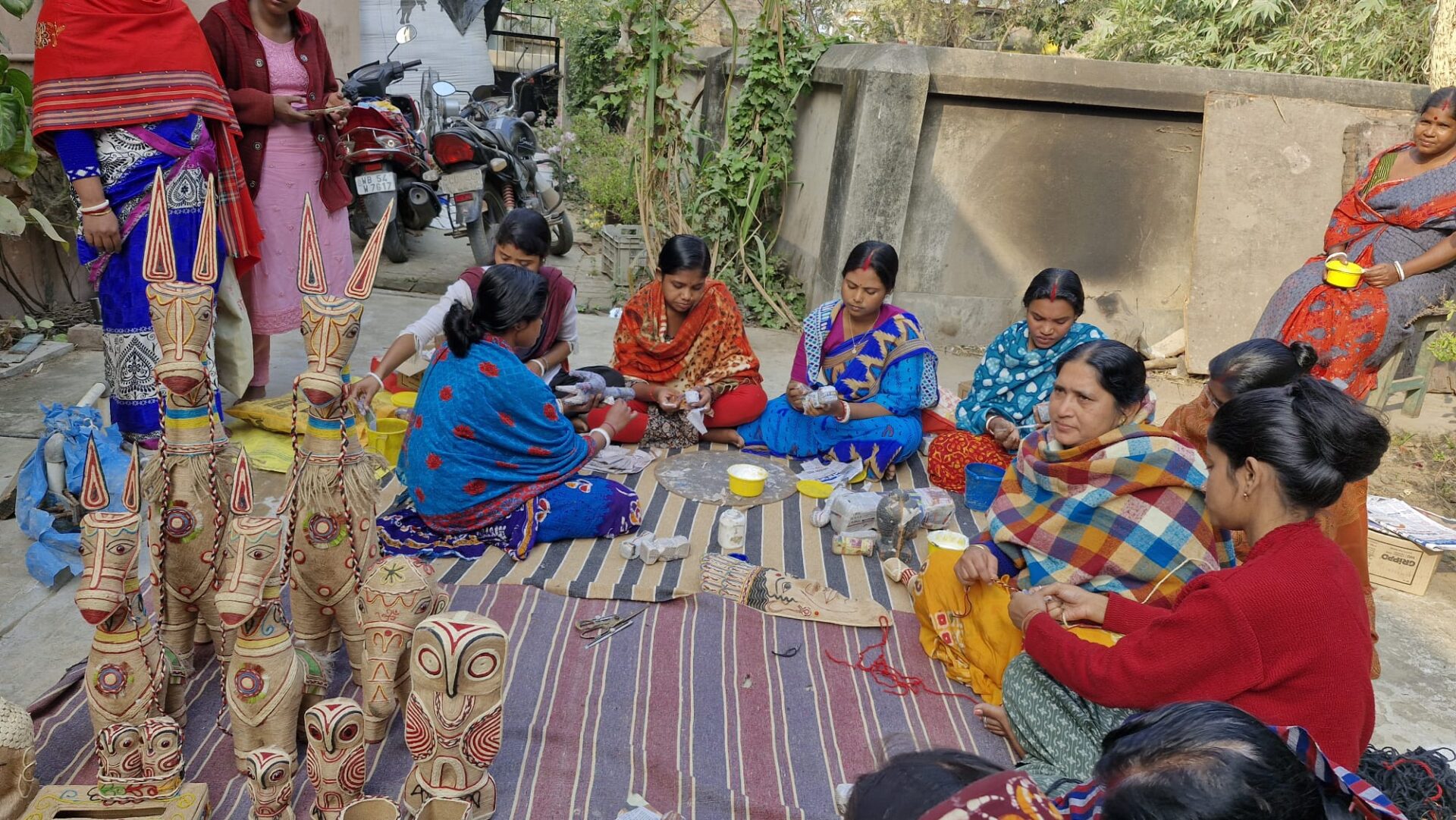
I wanted to go to India to explore how families and communities in West Bengal use skills-based learning to improve education, employment opportunities and family wellbeing. By engaging with organisations supporting women’s learning and development, I was able to examine creative and vocational skills such as Kantha embroidery, jewellery making, handicrafts and traditional art forms, and explored how these skills contribute to economic independence and community development.
I aimed to use this learning to enrich family learning provision in Wales, inspire adult learners from diverse backgrounds and encourage individuals to value their culture and heritage while developing confidence, creativity and aspirations.
As an organisation working with diverse communities, including many learners with Bengali and Bangladeshi heritage, I gained valuable insights from innovative approaches to community-based adult education in India.
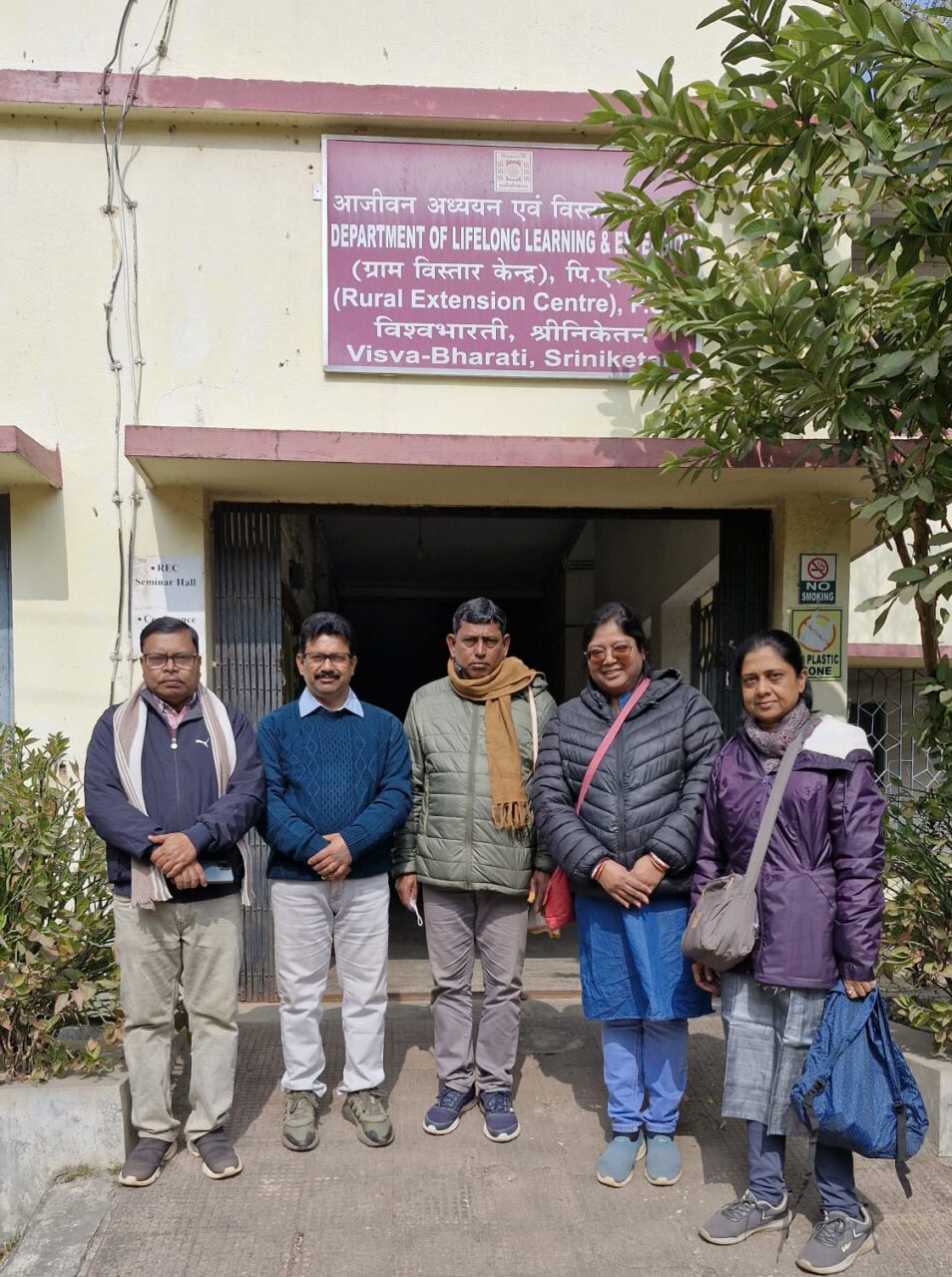
During my visit I explored both rural and urban models of family and adult learning. Through visits to Shantiniketan and Kolkata, I observed programmes that support women to develop practical and creative skills, generate income and strengthen family independence. The visit to Sarada Mission highlighted the important role education and skills development can play in supporting women, families and communities.
These experiences provided valuable learning on how cultural traditions, creativity and practical skills can be integrated into lifelong learning, creating meaningful opportunities for learners and families.
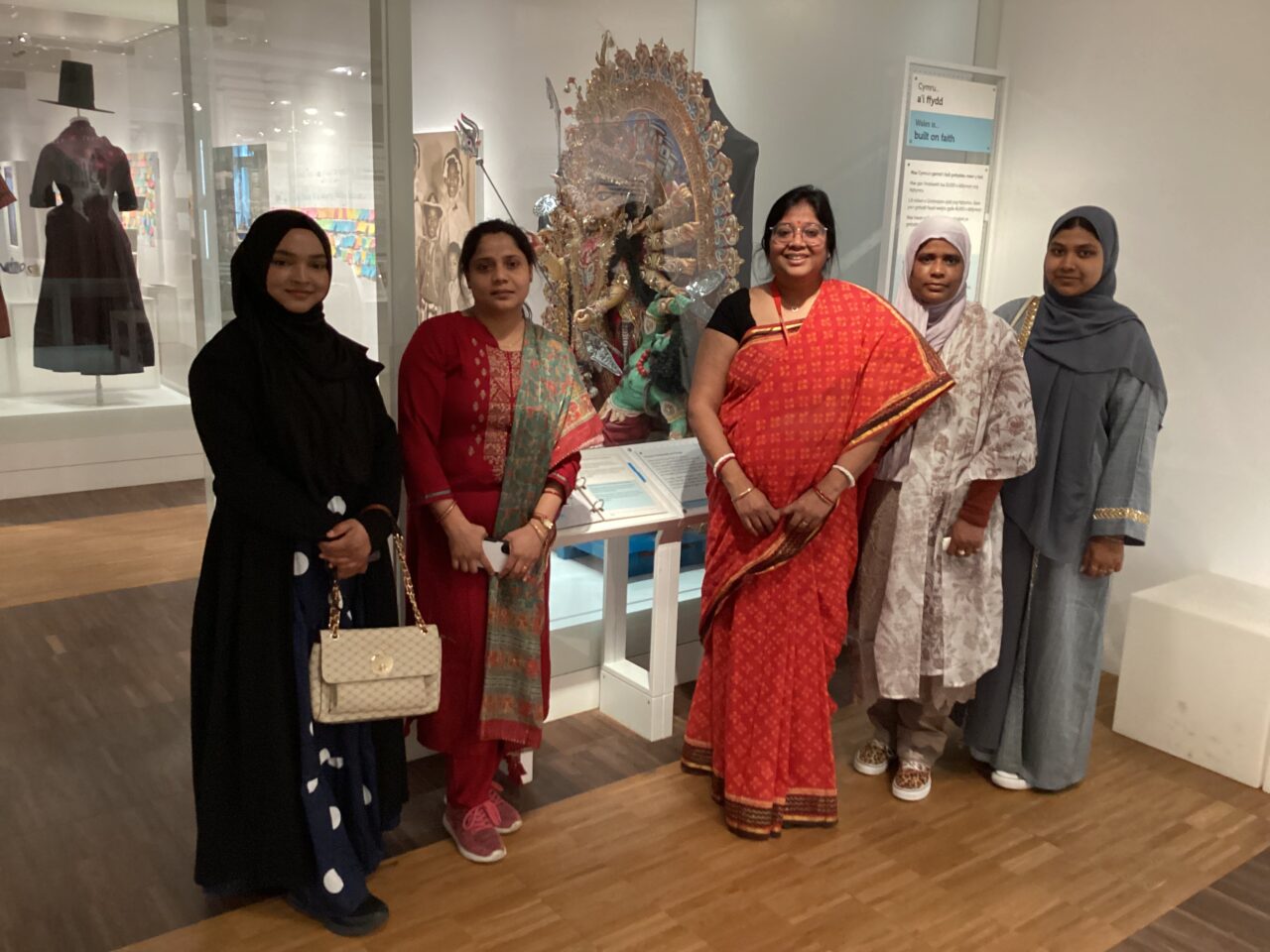
The knowledge and skills I gained through the mobility have been successfully embedded within family learning activities across wider Wales, creating a range of positive outcomes for learners and the wider community. Learning from Bengal inspired the introduction of new creative skills workshops, incorporating traditional craft techniques into local programmes. These activities have enriched family learning sessions and enhanced ESOL provision through cultural storytelling, creativity and shared heritage.
The mobility also resulted in a collaboration with St Fagans National Museum of History on the Library of Life, Love and Loss project, which encouraged learners to explore and compare the experiences, traditions and stories of Wales and Bengal. Increased engagement in learning contributed to several participants achieving ESOL qualifications.
The project had a significant impact on learners, communities and professional practice.
For learners, the project has created opportunities to develop creative skills, strengthen cultural identity and build confidence. Many participants, particularly women from underrepresented communities, have engaged in activities that celebrated their heritage while supporting personal development and learning. Participation in creative and cultural learning activities supported some of the learners to progress within ESOL programmes, with a number achieving Entry 2 and Entry 3 qualifications.
One of my learners reflected on the new learning opportunities and said:
The project showed me that our culture, stories and traditions are valuable. Through the activities, I gained new skills, made new connections and felt encouraged to take the next step in my education.
For the wider community, the project has fostered stronger connections between Welsh, Indian and Bangladeshi cultures. And for me the visit provided first-hand experience of innovative community learning models that could be adapted and embedded within family learning provision in Wales.
By connecting learners to their cultural roots, developing new creative skills and strengthening community engagement, the project has left a lasting legacy that extends far beyond the original mobility.
Yes, Taith has provided me such an opportunity which has made a new way of learning of skills between Wales and Bengal. Our BAME learners were able to connect to their roots and value their own culture and tradition, whereas it gave me an understanding how well the families are learning and working based on creative skills.