Embedding Reggio Emilia Principles in Foundation Learning

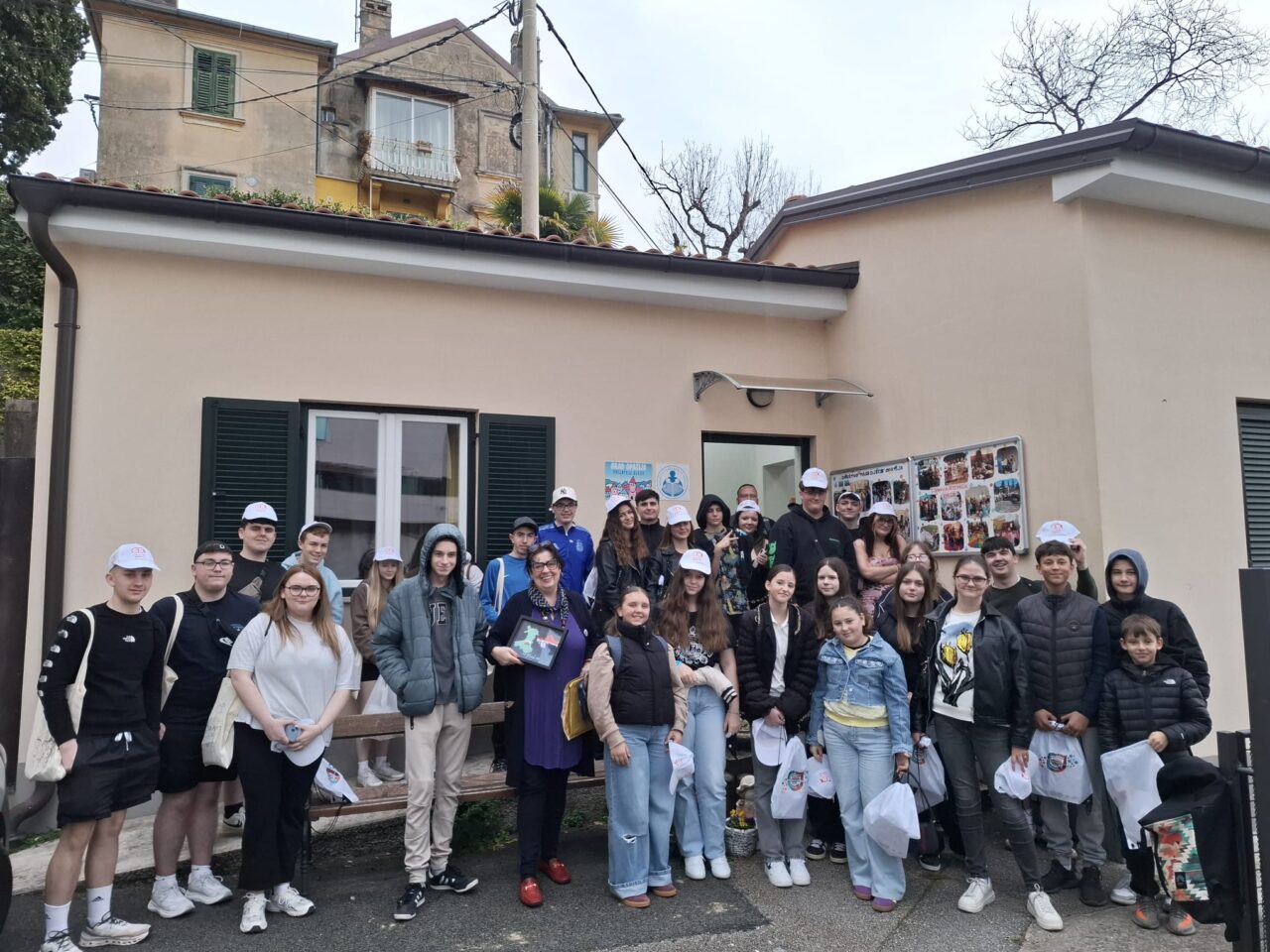
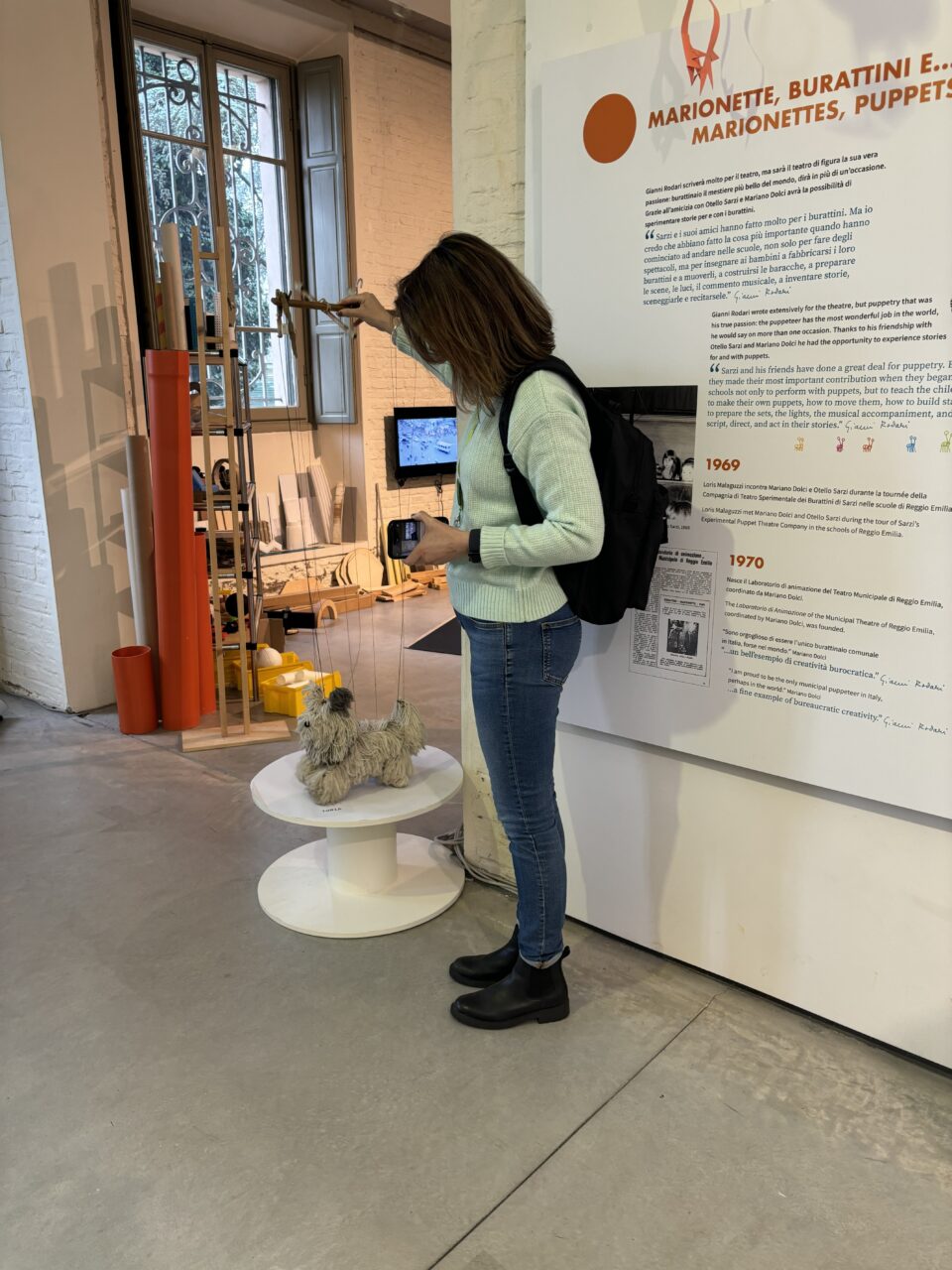
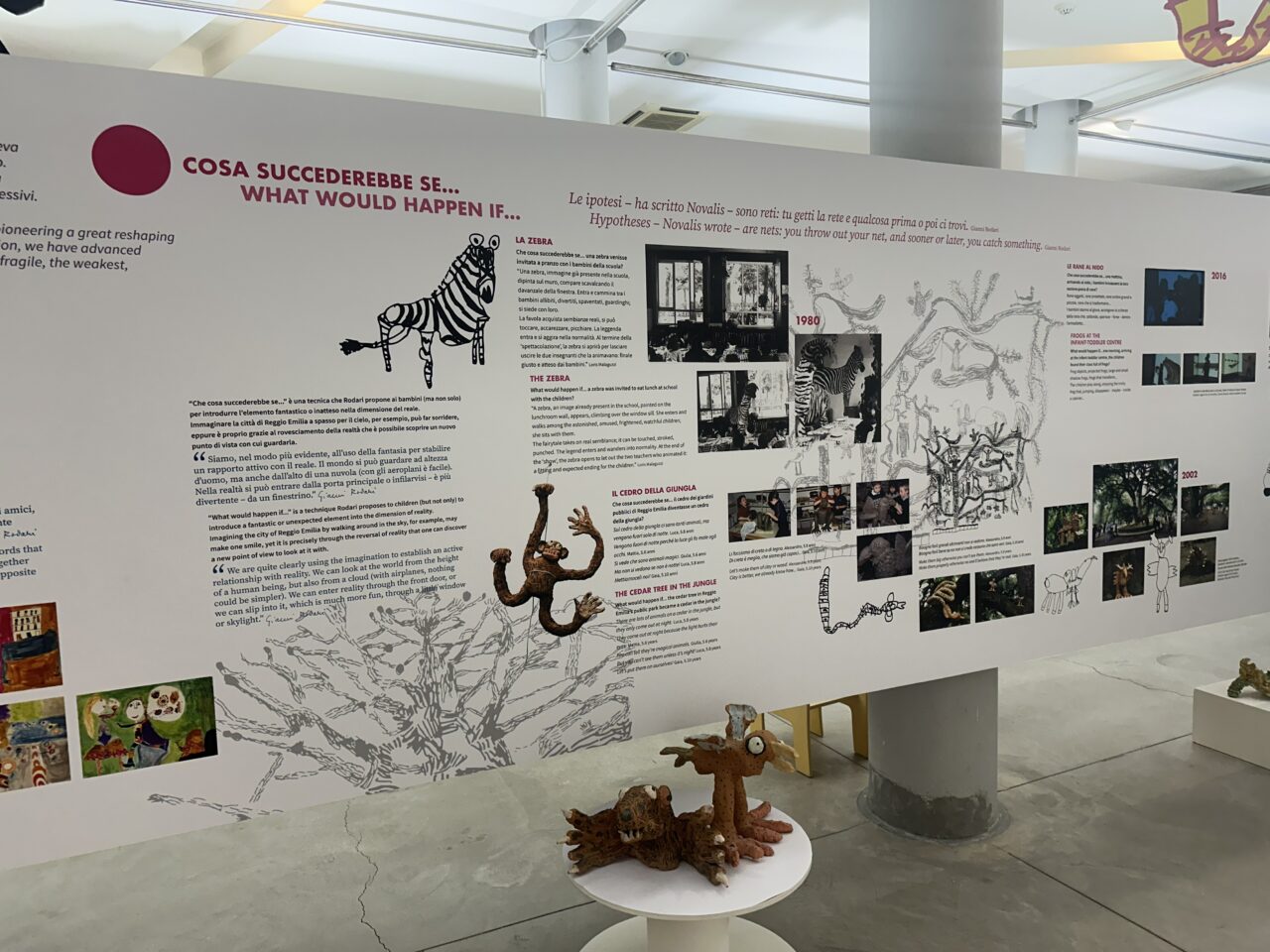
Swansea Local Authority’s Pathway 2 project was designed to strengthen early years pedagogy across Swansea by drawing on the Reggio Emilia approach. Four foundation learning practitioners completed the Reggio Emilia international study group programme at the Loris Malaguzzi International Centre in October 2024. Through this international engagement, and a carefully planned programme of dissemination, the project has enhanced the quality of learning experiences for young children across Swansea and contributed to wider professional learning across Wales.
Katrina Peters, Project Lead and Lead Officer for Curriculum, Learning and Teaching at Swansea Local Authority tells us about the project and the impact it is having on Foundation Learning.
The project was rooted in a clear need across Swansea to move beyond understanding the principles of Foundation Learning to confidently enacting them in day-to-day practice. While the Welsh Government’s Foundation Learning modules had reached over 400 practitioners locally, we saw that many schools were seeking a deeper, practice-based understanding to support consistent and high-quality implementation.
Through school visits and professional dialogue, it became clear that concepts such as child-led learning, observation and the enabling environment were being interpreted in different ways. Practitioners were motivated and engaged, but wanted clearer models of what it looked like in practice.
The aim, therefore, was twofold: to deepen professional understanding through exposure to high-quality international practice, and to create a sustainable model for sharing that learning across the system. The intention was not simply to develop four individuals, but to build shared understanding and strengthen pedagogy across Swansea in line with the Curriculum for Wales.
I love travelling, but this was the first time I’d taken a trip like this without my family, which made it feel particularly significant. I went knowing it would be valuable, but it exceeded expectations, I learned so much. It gave me the chance to connect with other practitioners and strengthened my confidence in supporting others through sharing first-hand experiences. It’s been an important step in my professional journey.
Elsbeth Fewings, foundation learning practitioner
The Reggio Emilia educational philosophy aligns closely with the principles underpinning Curriculum for Wales. It positions the child as a capable, rights-holding learner and recognises the environment as an active contributor to learning. While these principles are central to Welsh policy, their practical enactment is still developing within many settings.
Reggio Emilia offered an opportunity to see these ideas realised in a coherent and sustained way. The approach has been refined over decades and is internationally recognised for its depth and impact, providing a powerful reference point for what high-quality, child-centred practice can look like.
For us, the value of the experience was not in replication, but in reflection. It prompted us to ask more considered questions about our own practice; how environments communicate expectations, how documentation supports thinking, and how children’s ideas are not only valued but developed over time.
While some practitioners in Wales have engaged with Reggio-inspired approaches individually, this has often remained isolated. This project addressed that by creating a shared experience and a structured opportunity to build collective understanding across the local authority.
Following the study visit, the team designed a bilingual professional learning programme rooted in Curriculum for Wales. The programme focused on child development, observation, play-based learning, and the role of environment and documentation.
Fully funded through Taith, the sessions were delivered by the practitioners who attended the study visit and attracted a wide range of participants, including teachers, teaching assistants, early years leads and advisory staff.
The training was structured to demonstrate how Reggio Emilia principles can deepen child-led inquiry, creativity and purposeful learning within Welsh contexts. A range of interactive approaches supported engagement, including group discussion, practical demonstrations, video, games and case studies.
Participants explored documentation as a reflective tool and considered how environments can be designed to support thinking and independence. Each attendee received a comprehensive resource pack to support ongoing reflection and application within their own settings.
The initial training programme generated significant interest, expanding from a planned single-day event to a two-day programme, with over 200 delegates from more than eight counties across Wales. This demonstrated that the project addressed not only a local priority, but a wider national need, positioning Swansea as a leading contributor to early years professional learning.
Feedback from participants was overwhelmingly positive. Practitioners reported increased confidence in adapting their practice and creating opportunities for child-led inquiry. In classrooms, this has translated into improved engagement, greater independence, more complex interactions and stronger evidence of children shaping their own learning journeys.
Since the completion of the training, the impact has continued to build. The resources and approaches developed through the project are now embedded within the day-to-day work of Swansea’s Curriculum, Teaching and Learning Team. They inform professional learning, advisory visits and ongoing work with schools, ensuring that the principles are sustained rather than remaining as a one-off initiative.
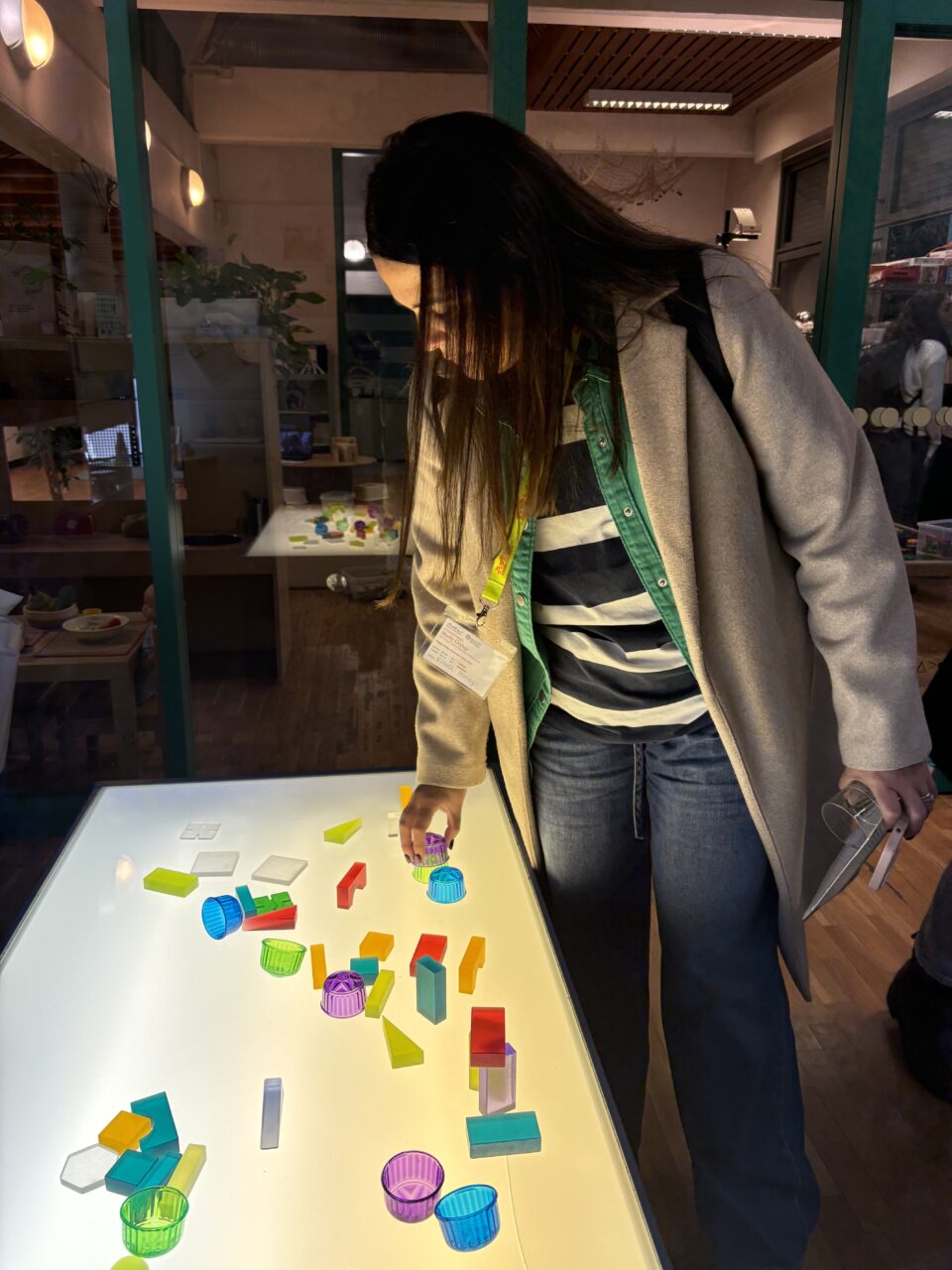
There has also been a noticeable shift in professional dialogue. Conversations with schools are increasingly focused on learning processes, children’s thinking over time, and the purposeful use of environment and documentation, rather than purely on activities or provision.
The reach of the project has extended beyond schools. The materials have supported additional professional learning for Meithrin committee members, ensuring that the principles influence wider early years governance and support structures.
An important and unanticipated outcome has been the strengthening of capacity within the local authority team. Two practitioners involved in the project have since taken up permanent roles within the Curriculum, Teaching and Learning Team, including a specialist post in child development and pedagogy. This ensures that the expertise developed through the project continues to shape practice at scale.
Rather than being a standalone initiative, the project has helped establish a shared direction of travel across Swansea. It continues to shape how we approach professional learning, supporting practitioners to develop confident, thoughtful and responsive practice that reflects the aspirations of Curriculum for Wales.
Ultimately, this work has strengthened our collective understanding of what high-quality Foundation Learning looks like in practice, leading to richer experiences for children and supporting their progression, wellbeing and engagement in meaningful ways.